What the Survey Was For: How British School of Bucharest Arrived at the School Esports World Championships
Steve Young noticed a pattern in the PASS survey results: a cluster of students who were disengaged from school life, all of whom loved gaming. A COBIS email arrived the same week. Six students, one team, a game that runs on a Chromebook. That was how BSB esports began.
School Blog Profile | DAIGON Esports | SEWC 2026
The Survey That Changed Everything
Steve Young did not set out to build an esports programme.
What he set out to do was find a group of students who were slipping through the gaps.
Twice a year, the British School of Bucharest runs the ‘PASS’ assessment, a formal assessment used internationally to understand students’ wellbeing and their experience of school life. The results are taken seriously. And a few years ago, one pattern caught Steve’s attention: a cluster of students whose PASS assessment results were low, but who shared something in common. They all loved gaming.
Around the same time, a COBIS email arrived in his inbox. DAIGON Esports was launching a Minecraft competition for COBIS schools. The timing was, in Steve’s own words, serendipitous.
“It was just purely by chance that these two things came together at the same time.”
Six students. One team. A game that runs on a Chromebook. That was how it started.
A School That Competes
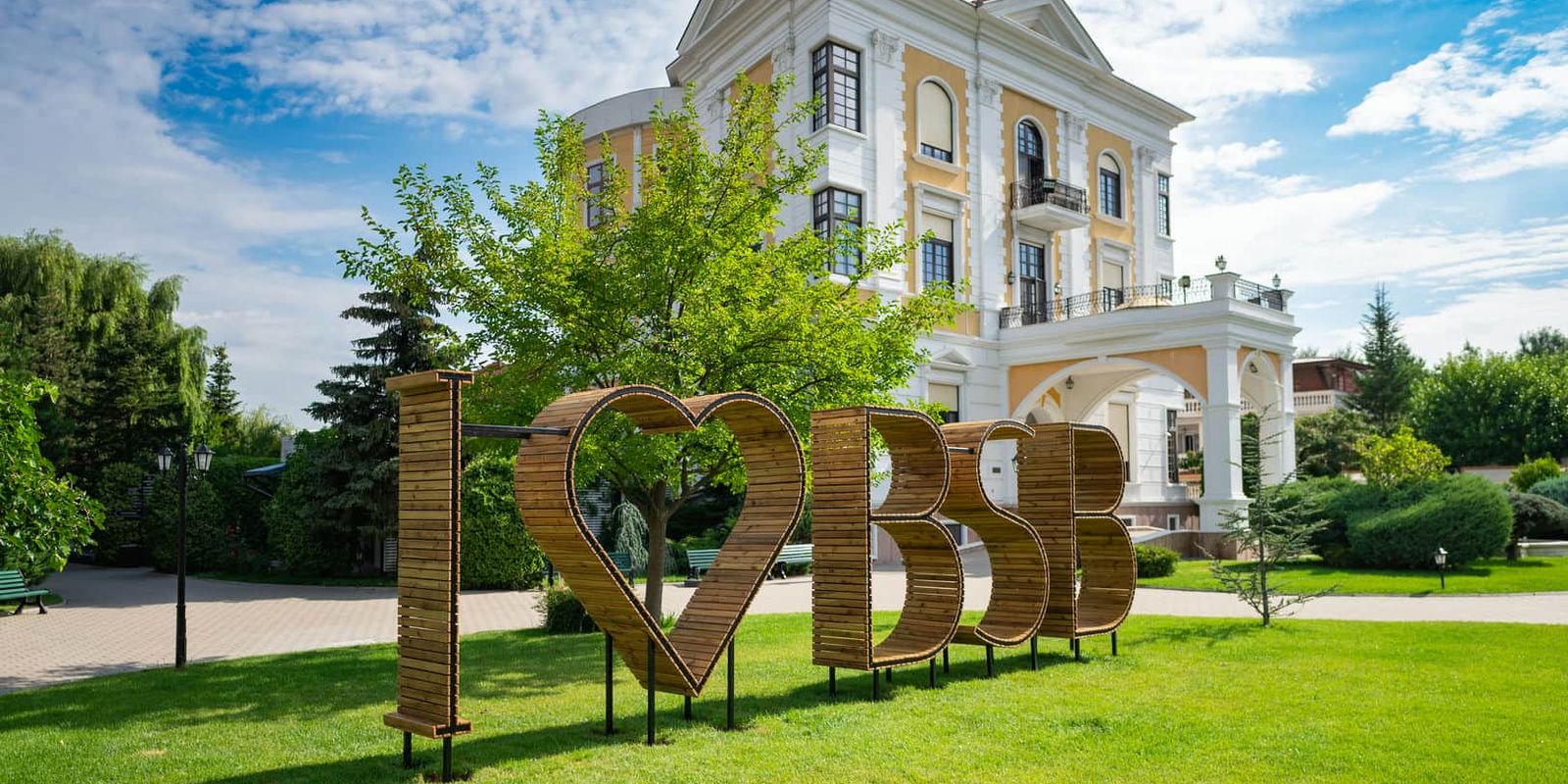
The British School of Bucharest has been educating students since 2000. Founded in Voluntari, just outside the Romanian capital, it has grown into one of the most recognised international schools in Eastern Europe. Around 700 students, aged 3 to 18, of more than 65 nationalities, learn together under the English National Curriculum, working towards IGCSE and A-Level examinations. The school has been inspected by the UK Independent Schools Inspectorate and rated Excellent in both academic achievement and pupils’ personal development.
BSB is a school that competes. Its students represent the school in a wide range of competitions and activities, both nationally and internationally. The school’s co-curricular programme offers students a broad range of opportunities to develop their interests, skills and confidence. Representing the school in competition is about more than results, giving students the opportunity to develop teamwork, resilience and determination.
Into that culture, Steve introduced something new.
What Esports Built
The first year, BSB entered one team. They came second.
The following year, they came back with two. Now, esports at BSB runs at three levels: the weekly after-school club that runs between September and Christmas, which draws at least ten students who train for the DAIGON competition, three informal lunchtime sessions a week, and the annual internal House competition running across a week in a league format.
“The House competition has increased awareness of esports and also opens it up to more students to compete,” Steve says.
The cost of building all of this? Essentially nothing.
BSB already had a Microsoft for Education licence, which includes Minecraft. The school already had a suite of all-in-one PCs and students each have their own Chromebook. Minecraft, as Steve points out with evident satisfaction, is not a game that demands expensive hardware.
“To run Minecraft doesn’t really mean needing a high-end PC.”
The only ongoing cost is competition entry fees. No new equipment. No specialist infrastructure. Just a teacher who saw an opportunity and a school with the right conditions already in place.
The Rules Are Clear
One of the things Steve values most about the DAIGON programme is something that might not be the first thing most people think about when they think about esports: the rules.
“The rules are very clear. And we have our own school rules, like showing respect for each other. So there’s quite a lot of that in the rules with DAIGON.”
Steve sees those principles reflected in the way students behave during matches. You cannot blame a teammate when something goes wrong. You have to communicate. You have to trust. You have to carry your part of the team and respect your opponent at the same time.
For the group of students the PASS survey identified, students who had not yet found their place in school life, that framework was exactly what they needed. The game gave them something to care about. The structure gave them a way to grow.
The Debate with the Head of PE
Steve has an ongoing disagreement with a colleague. The head of PE at BSB is not entirely convinced that esports qualifies as a sport. Steve disagrees, firmly and cheerfully.
“Esports takes strategy, teamwork, super fast reflexes and hours of practice. A match has the same mental and physical strain as other sports do.”
He also notes, with the kind of timing that comes from having made this point before, that esports offers students a way to compete seriously without one particular requirement.
“It’s been a way to participate competitively without changing footwear.”
The students who found their place through esports at BSB were not, in many cases, the students already on the football pitch or in the basketball court. They were students who had something to offer that the traditional co-curricular programme had not yet found a way to reach. Esports found it.
The Day the Results Came In
Qualifying for SEWC 2026 was not a single moment. It was a waiting game.
The competition ran over several weeks, building to a multi-hour final on a Saturday. BSB had played well throughout. In the later rounds, they came up against one of the strongest teams in the field and pushed them close, losing by a narrow margin in a match which was “too close to call until the final moments.” The camaraderie between the teams after the final whistle was, he says, one of the things he will remember.
But when the Saturday ended, no one knew the final result. The ELO system meant the final standings depended on results from other matches across the competition. There were anxious days of waiting.
And then the news arrived.
“There was a real buzz when we found out. Our students were almost as excited as me.”
Romania at the World Championships
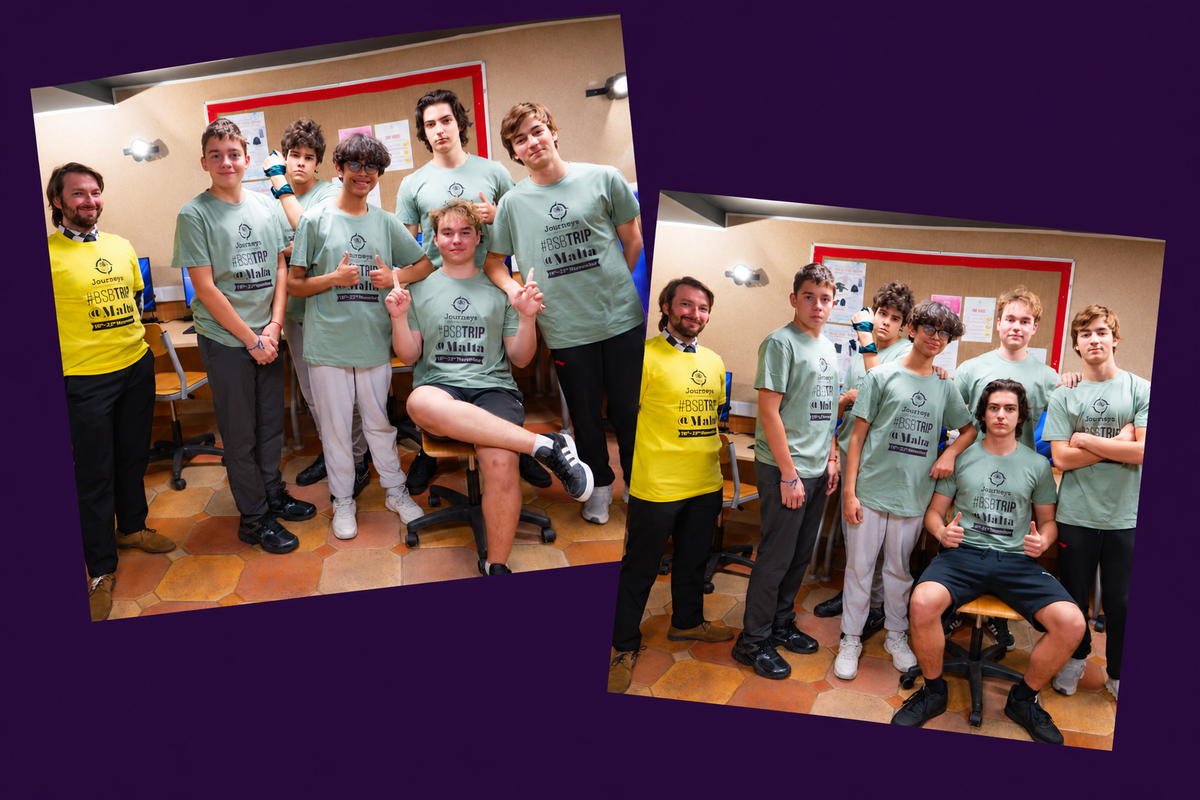
BSB already competes internationally across many disciplines. But Malta is different.
“We have several trips throughout the year,” Steve says, “so to be able to travel to Malta is going to be a great experience for our students.”
The school values what DAIGON has built around the competition itself. The cultural programme, heritage sites, local food, outdoor activities, is not an afterthought. For students representing Romania at an esports world championship for the first time, being able to experience Malta alongside the competition is part of what makes the trip meaningful.
“I just want our students to enjoy the experience. To take part in a live competition is going to be an amazing experience regardless of how they perform. I am also hoping that they make new friends who are also interested in esports.”
What This Was Always About
A PASS survey. A serendipitous email. Six students who did not quite fit the shape of the co-curricular offerings available to them.
That is where BSB esports began. What it has become is a three-strand programme, running year-round, that has changed how some students experience school entirely. The parents of those students are, Steve says, proud. Visibly, genuinely proud.
When Steve is asked what he wants someone to feel when they read the BSB profile, he does not reach for statistics or rankings. He comes back to the principles that guide the programme and the way students approach competition.
“All of these values are represented by our students during competition matches, where we adhere to the rules and respect our opponents as well as working as a team that allows each member to have a say on strategy and gameplay.”
“BSB is always looking for different ways to nurture its students and inspire them through our Co-Curricular programme. Esports is also a great opportunity for us to see the school’s values of Self-Control, Honesty, Respect, Equality and Concern for Others in action, as students learn to work effectively and compassionately in a team. This personal development is as much to be celebrated as their success in the competition, and we are all very excited about them competing internationally in Malta!”
Eva Cliffe, Director of Co-Curricular, Development & Community Outreach, British School of Bucharest
A programme that began by supporting students who were not yet fully engaged in school life has grown into an opportunity for students to represent BSB on a world stage.
That is what the survey was for.
British School of Bucharest competes in Minecraft Capture the Flag at the School Esports World Championships 2026, Malta, November 18 to 23. BSB qualified through the COBIS x DAIGON Esports Competition.
Interested in bringing DAIGON to your school?
Book a call