No Johns: How Clifton College's First Esports Team Earned Malta
A sign-up sheet on a classroom door, fifteen names drawn from a hat, and an ICT suite that was already there. Clifton College's first esports team, all Year 7s, qualified for the World Championships in Malta.
School Blog Profile | DAIGON Esports | SEWC 2026
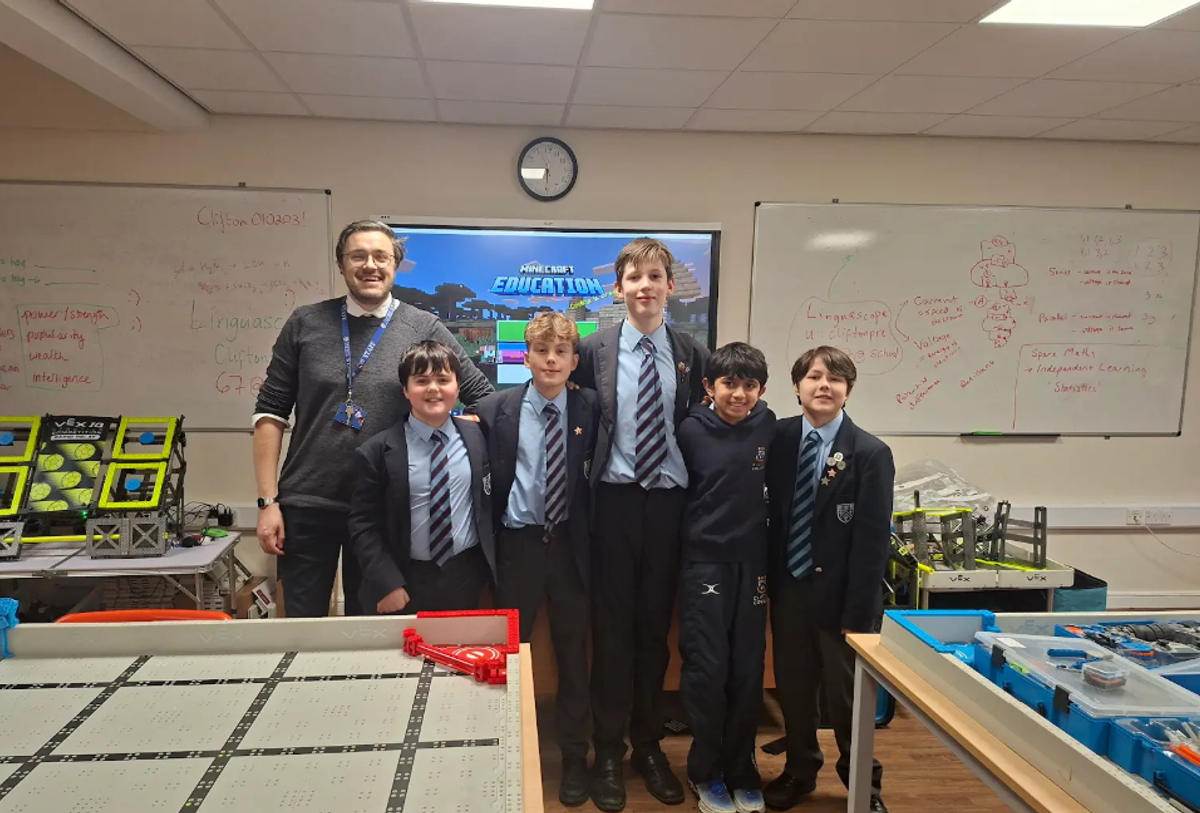
Thomas Lytwynchuk taped a piece of paper to his door.
On it was a simple message: if you want to be part of the Clifton College esports team, write your name below. Youhave until Wednesday at noon.
The list was long. More than fifteen students had put their names forward. There were not enough spots for all of them, so Thomas did what felt right and fair: he put the names in a hat and pulled them out at random.
A few months later, those players are headed to Malta.
The Teacher Who Knew What He Was Looking At
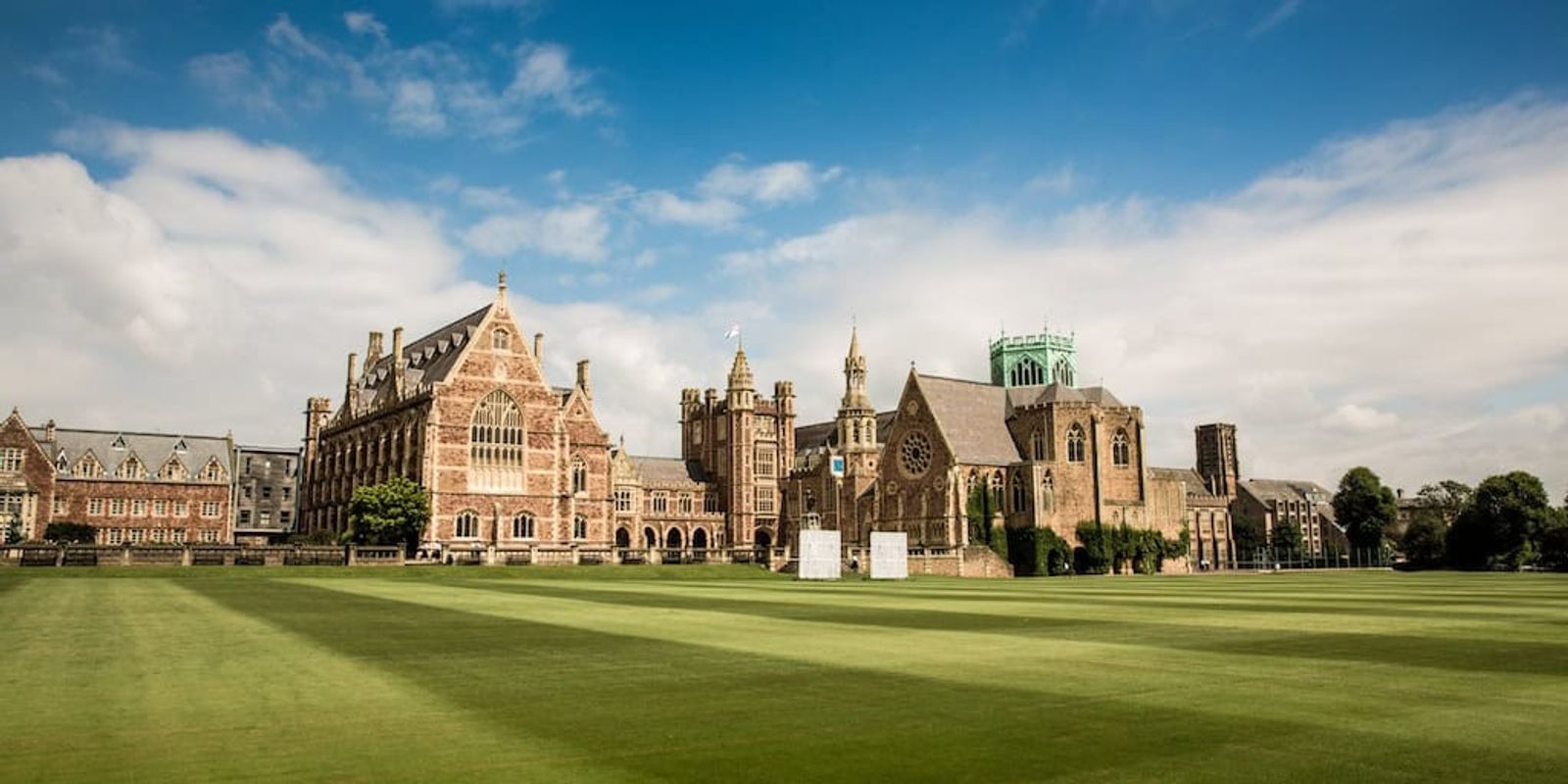
Clifton College has been educating children since 1862. It has a reputation that precedes it: a sporty school, a musical school, a school with high standards of academic achievement. Thomas Lytwynchuk teaches EAL, science and English. He coaches games. He works in the boarding house. He is, in other words, a Clifton teacher in the fullest sense.
But Thomas came to Clifton with something the school did not know it needed.
Before joining, he had worked in esports in South Korea and in South Africa. He had organized and competed in many tournaments himself. He understood what esports can do for a group of young people when it is set up properly, and when he arrived at Clifton, he saw the potential immediately.
"I've always really appreciated the social value of esports," he says. "It's something to get people together, to enjoy playing together, and it offers the personal challenge of competing and improving your skills."
When he saw the IAPS x DAIGON competition advertised, he knew what to do with it. He went to his line manager, Jean Hambley, Deputy Head of Co-Curricular and Head of ICT.
Jean already knew about Minecraft for Education and when Thomas came to her with the idea, her answer was quick.
"She said yes! And what do we need to make this work?"
Jim Walton, the headmaster at the time, was equally enthusiastic. He had read about esports, so it was on his radar. "He was really excited and energetic," Thomas says. "He felt it was a wonderful venture to add to the children's school lives and give them new opportunities."
The ICT Suite That Was Already There
One of the quieter revelations of this story is how little it cost to begin.
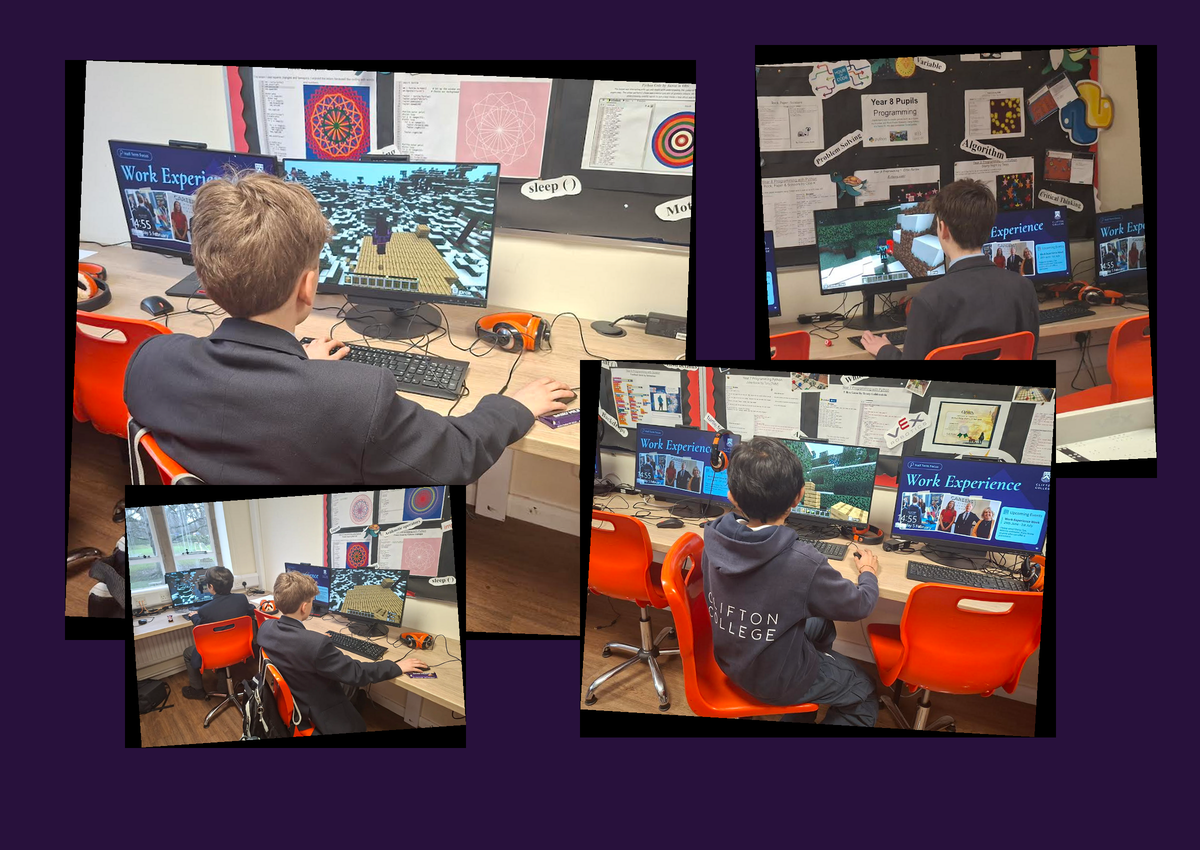
Clifton's ICT suite was already well equipped. Computing is embedded in the school as an important part of the curriculum, so what Thomas needed was already there.
"We were very lucky," he says. "The school sees the importance in educating about technology."
Minecraft, as a game, helped. It is not a title that demands expensive, high-specification hardware. Thomas laughs when he explains.
"Minecraft is a light, well-coded game. It can run on a potato!"
The licences cost somewhere between one and two hundred pounds. There is a budget for clubs at Clifton, and it covered what they needed. The school's knowledgeable IT support team then got everything installed safely through the school's network and safeguarding systems.
"They did a lot of technical work on the back end," Thomas says. "Toset it all up quickly and correctly."
From a piece of paper on a door to a functioning competitive team, the financial barrier was lower than almost anyone would expect.
Five Minutes Early Is On Time
Sessions at Clifton happen at lunchtime, once a week, for about forty-five minutes. On match days, the team gathers a little early. Thomas has a rule.
"Five minutes early is on time."
The practice sessions are part training, part analysis. The team works on strategy, on game mechanics, on understanding the map. Minecraft Capture the Flag rewards players who know the terrain as well as they know each other. Stairs are a problem, Thomas notes: if you miss a jump under pressure, you can get caught out.
"It's when you panic that the problems begin," he says. "So it's just about getting used to playing under pressure."
After each match, there are ten minutes of debrief as a squad. What happened? What did we do well and not so well? How do we improve? All voices and opinions are welcomed. Thomas runs a competitive programme the way that good coaches in any sport run one: not just by playing the game, but thinking hard about it.
"It's about being good each week and looking at how you're going to grow," he says. "There are a lot of metrics by which you can, and we do, judge a performance."
The team is made up entirely of Year7 students, and that was deliberate. When they travel to Malta, they will have just become Year8. They will have another full year at the Prep School afterwards, during which they will pass on what they have learned to a new group of Year7s coming up behind them.
"And we've got now an internal kind of competition going on. We can level each other up."
No Johns
There is a moment in any team's season where the comfortable run ends and the challenge ramps up. For Clifton, it came in the third match of the qualifying competition.
The early rounds had gone well. The strategies worked and the wins were clear cut. And then a player had to go home unexpectedly, a substitute came in who had not had as much practice, and the opposition did something none of them had seen before.
"Their gameplay was strange and unexpected," Thomas explains. "Which I think threw the boys off. We expected them to build a defence around their flag, but they were building bridges across the map."
Clifton lost that match, and when the players' headsets came off there was complaining, which Thomas was prepared for.
He told them: "No Johns".
"You're allowed to complain as much as you like for exactly one minute," he says. "And then we get into the business of solving it. How are we going to beat them next time? Let's make sure this doesn't happen again."
The saying comes from fighting games, like Smash Bros, Street Fighter and Tekken. Disciplines where there is no one else to blame for a loss, no team mates or referees or "bad luck". Youown the failure, you understand it, and you fix it through relentless self-improvement.
After the loss, the team dialled in. The last couple of games were dominant. They finished their schedule not knowing whether they had qualified, because the ELO system meant they had to wait for the results to come in from other games. They had done everything they could.
"The guys were fired up," Thomas says. "It was emotional."
The Boy Who Nearly Left
There is one moment from the qualifying season that Thomas returns to.
One of the players had been told he might be moving away from the school. And when the final match ended, before they knew whether they had qualified, this player broke down.
"He burst into tears," Thomas says, "because he was immensely proud of what they'd achieved, and didn't like the idea that he wouldn't be able to see it through."
His teammates gathered around him. Group hug. No one knew yet if Malta was real. And Thomas told them what he believed: they had given everything, and that was something to be proud of, regardless of what the standings showed.
That player is coming to Malta.
"Qualifying for the SEWC World Championships in Malta is a testament to our pupils' initiative and teamwork, at Clifton College Prep School. Esports is a natural evolution for Clifton's co-curricular program, building real-world collaborative skills. We are incredibly excited to see this idea continue to flourish, and we are committed to using Minecraft for Education to build a lasting and impactful program for our pupils."
Jean Hambley, Deputy Head, Co-Curricular, Clifton College
"The qualifying journey was something I will remember for years to come. It was so exciting and fun, and I learned so much about my teammates. We can't wait to visit Malta and compete against other teams and schools from around the world."
A Clifton College student, SEWC 2026
What Malta Is For
Thomas has been to a lot of places. He has worked in different countries and different contexts. Malta will be a first.
"I've certainly not been. I'm thrilled to have the opportunity to visit there."
He wants the students to compete. But he also wants them to do what young people rarely get the chance to do during term time: experience somewhere entirely new. DAIGON has organised cultural activities alongside the competition, and Thomas is delighted about that.
"We're going to go to heritage sites, museums and take part in some outdoor activities. We're excited to try some of the local food!"
For a school where students perform on the first purpose-built school theatre in the country and play sport on an Olympic-standard 4G pitch, being in front of an audience is not entirely unfamiliar. But Malta will be different. And the chance to experience it together, as a team that earned the right to be there, is something Thomas knows will last longer than any result.
What Comes After
Thomas teaches in the Prep School. When these students move into the Upper School, they leave his part of Clifton. He is already thinking about what that means for esports at the college.
"They're not going to lose these skills," he says. "They'll only continue to develop and become better players - more mature in their decision-making, their attitude, possessing a more confident sports psychology."
He wants to see esports follow them. An Under-14 team. An Under-16 team. Eventually an open division. A local league with nearby schools. A national competition within the UK. The students who are going to Malta in Year8 could be competing for Clifton in the Upper School for years to come if the infrastructure is there.
"It would be a real missed opportunity,"he says, "to have one of the best teams in the world and not nurture their growth and development."
What Thomas Wants You to Know
At the end of the call, Thomas was asked the question that closes every profile in this series: when someone reads this, what do you want them to feel about Clifton College and about what you are building?
He thought for a moment.
"Clifton offers so much to each and every pupil. It's a place where young people can come and enjoy many, many different things. Where students are celebrated for their talents and interests, and are supported in them."
He pauses and smiles. "And we're here to play and here to win!"
A school with over 160 years of sporting, musical, and academic achievement has added something new. It did not take a grand strategy or a major investment. It took a teacher who knew what he was looking at, a line manager who said yes, a headmaster who was excited, an ICT suite that was already there, and fifteen names on a piece of paper.
Malta will show what it all adds up to.
Clifton College competes in Minecraft Capture the Flag (Under-13) at the School Esports World Championships 2026, Malta, November 18 to 23. Clifton qualified through the IAPS x DAIGON Esports Competition.
Interested in bringing DAIGON to your school?
Book a call