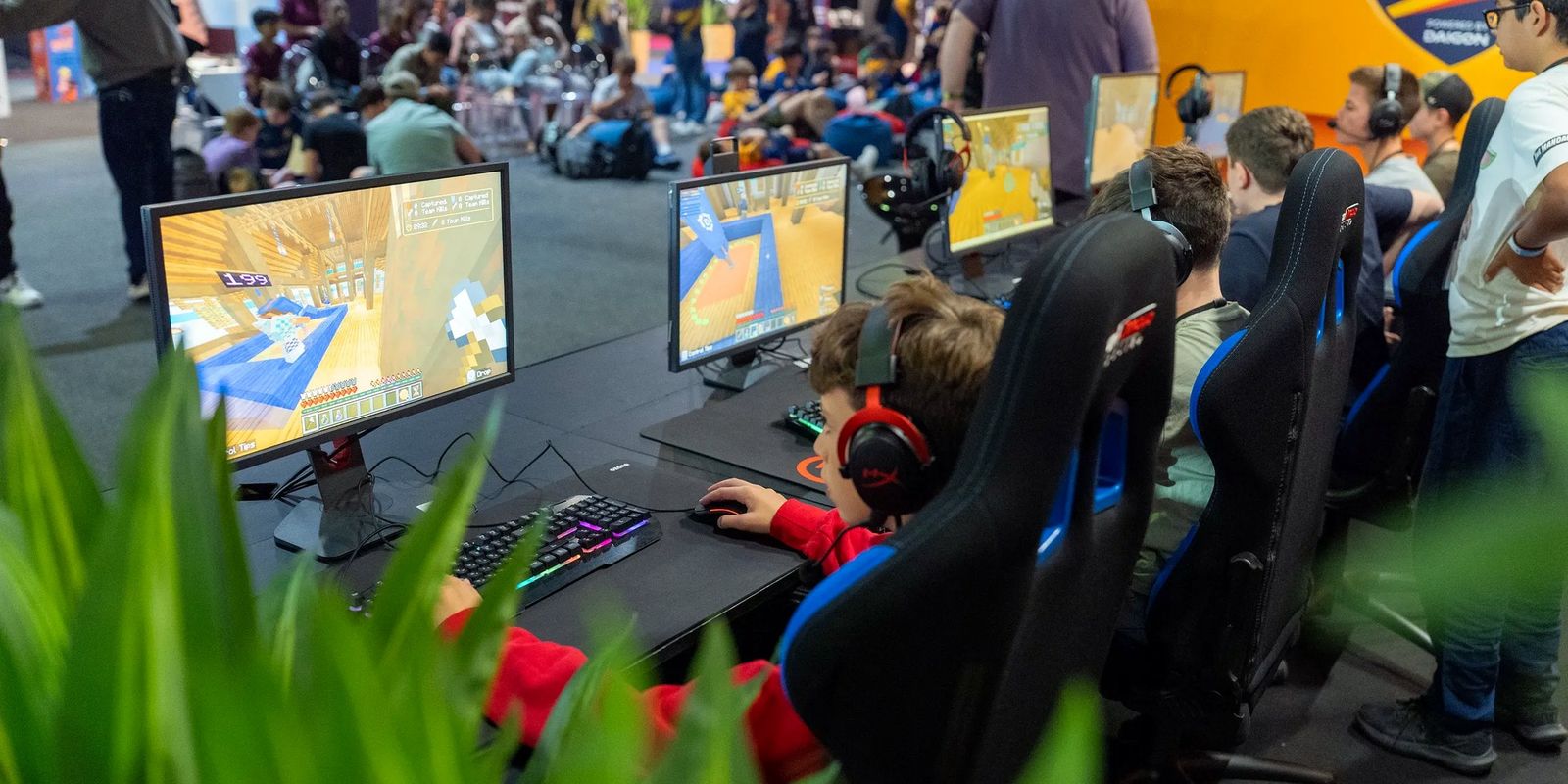
COBIS x DAIGON Esports Competition 2023–24: insights and outcomes
90+ teams from 31 schools in 20+ countries: what the COBIS member schools saw when their students competed in DAIGON’s esports competition, from 21st-century skills to engagement, inclusion and global citizenship.
More than 90% of students play video games in some form. Bringing esports into school invites that culture in, and it can do much more: build 21st-century skills, give students a place to shine, raise engagement and open new pathways to success. Recognising that, the Council of British International Schools (COBIS) partnered with DAIGON to offer an esports competition to its member schools.
At a glance
- 90+ teams from 31 schools in 20+ countries
- 5 weeks of qualifiers across 3 regions
- A Global Final on Saturday 16 March 2024
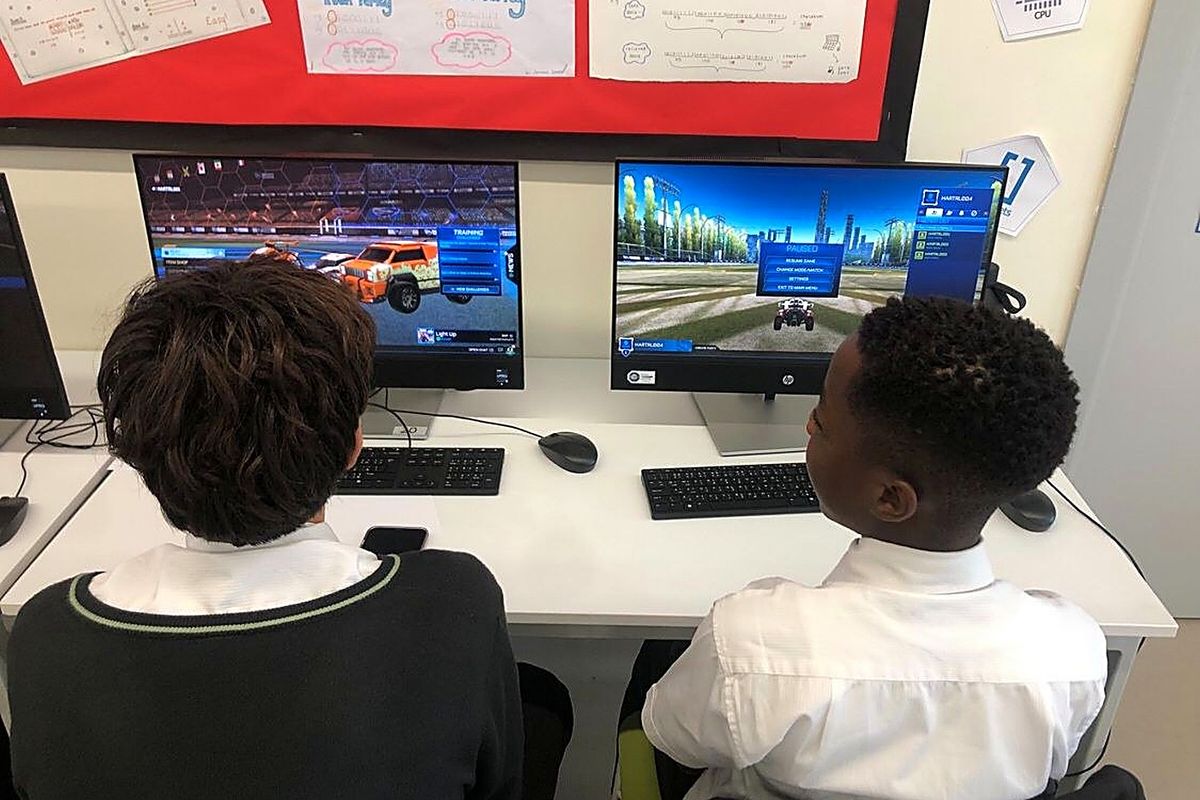
- Played in Rocket League and Minecraft
Why esports, and why DAIGON?
DAIGON creates inclusive spaces where students take part in esports leagues and competitions that mirror the structure of traditional sports. Through after-school clubs and competitive leagues, it builds a passion for esports while promoting skill development and sportsmanship. Students’ love of gaming becomes the hook that unlocks new potential.
Supporting schools: the platform did the heavy lifting
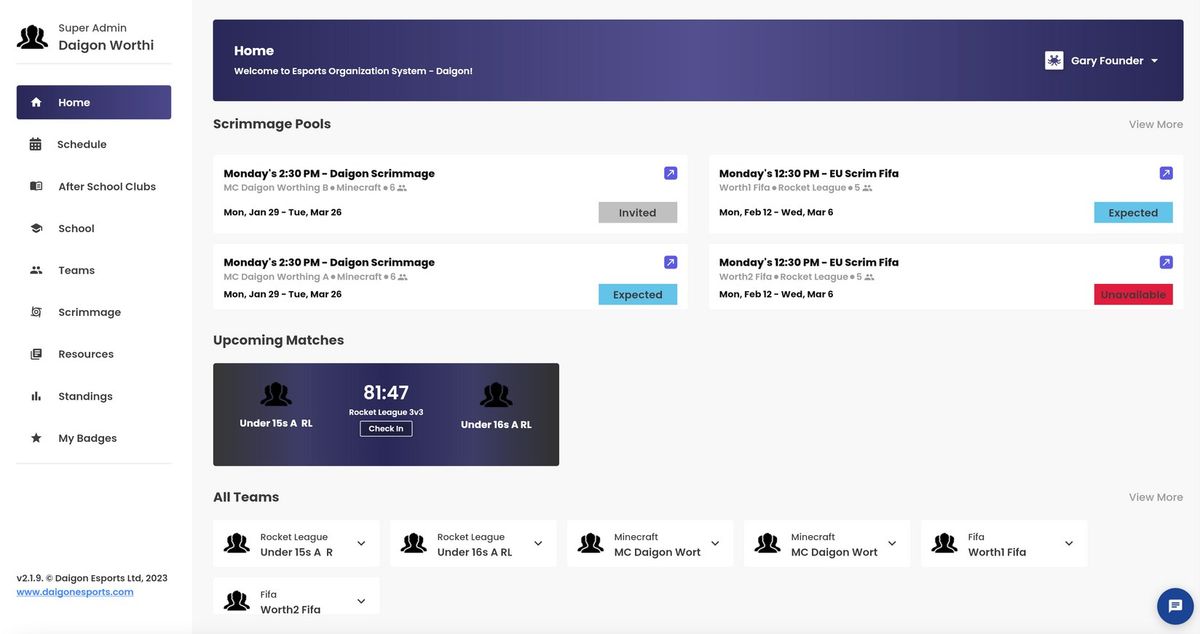
Running fixtures between schools in different countries and time zones is hard. The DAIGON platform handled matchmaking, scheduling and the logistics of connecting schools, so teachers could focus on their students.
“The platform really helped with all the matchmaking and taking care of all the logistics of connecting with other schools.”
What schools saw in their students
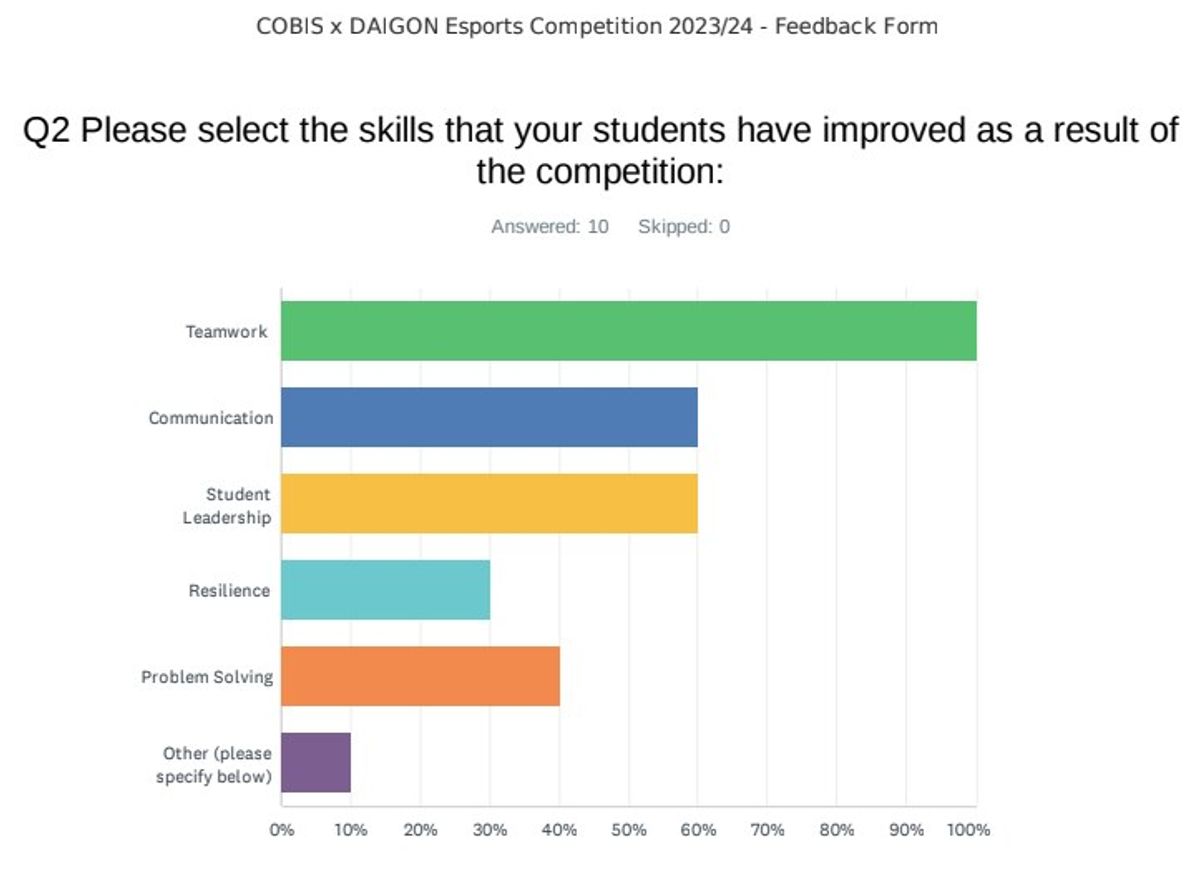
01 — 21st-century skills
“Students improved their digital collaboration during this event, something that can be quite challenging to develop in school. As adults, we often collaborate remotely and digitally; students tend to experience this less. It was extremely valuable for them to experience working with each other remotely and in person when crossing different operating systems and platforms.”
— Niall Statham, Head of PE & Digital Strategy
02 — Student engagement and behaviour
“Our school’s foray into esports stemmed from the idea of positively impacting a specific group of students who held negative perceptions of school life, often leading to disruptive behaviour and disengagement in lessons. The results surpassed our expectations. We have observed significant improvements in behaviour and engagement among these students, as evidenced by their latest PASS assessment indicating a more positive outlook on school life. As a result, we have allocated a budget for esports in the upcoming academic year.”
— Stephen Young, Head of Faculty
03 — Inclusion: a place to shine and belong
“Whilst esports is a rapidly growing industry and a huge component of popular culture, many students who are passionate about it can still feel isolated. Being part of a team and building a bond with their peers is a very singular school experience that not all students get to enjoy. Parents of students who have been typically quite shy have expressed their excitement for their children to be part of a team and gaining the friendship and camaraderie that comes with it.”
— Phil Willis, Secondary Teacher of Science
04 — Global citizenship
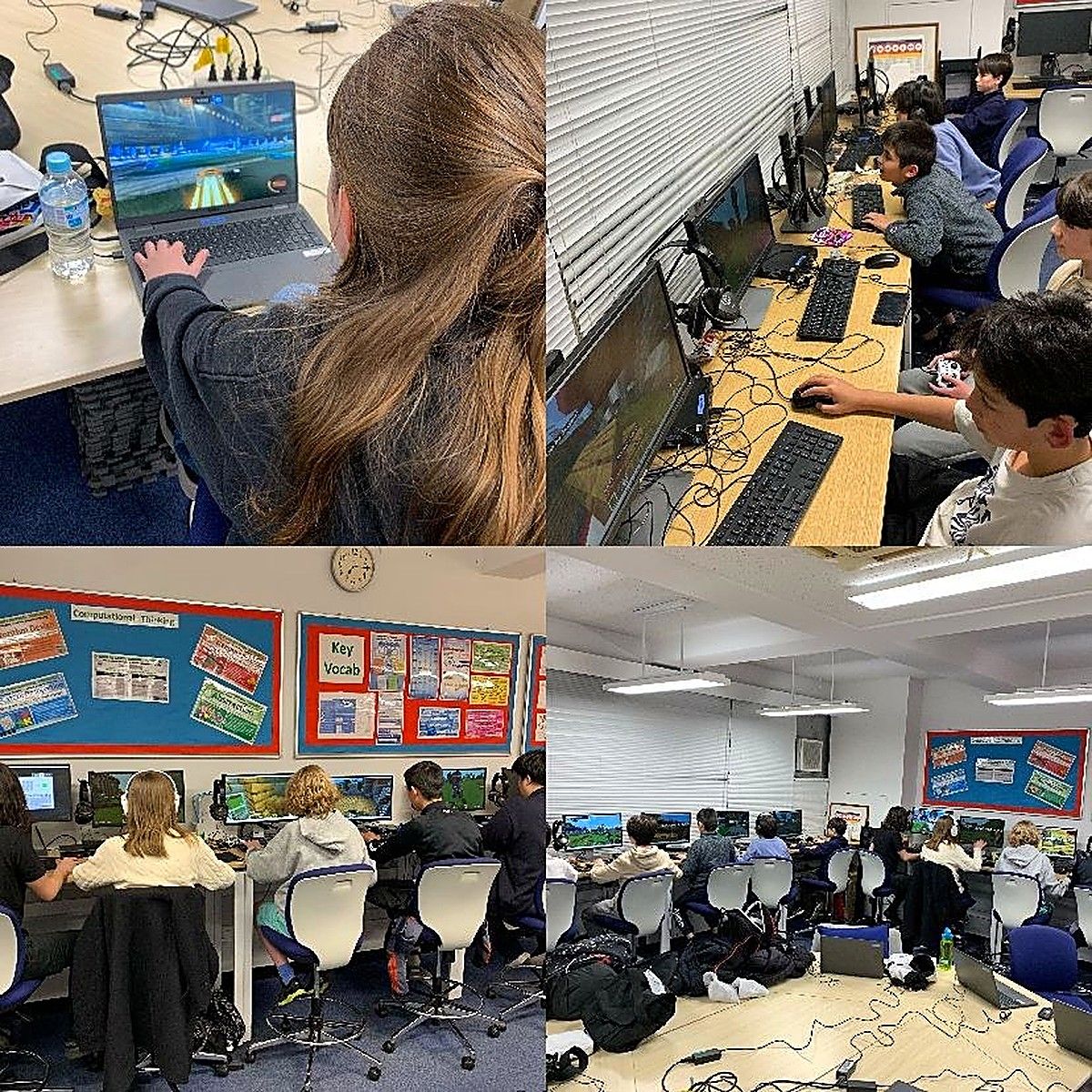
“Our esports team consisted of a diverse range of students, boys and girls from Year 7 to 13, and the vast majority had never represented The British School in Tokyo in a competitive fixture before. All teams spent time before each fixture discussing where their opponents were playing from, which led to some fascinating discussions on Uganda, Azerbaijan and the Cayman Islands!”
— Duncan Grey, Deputy Head Teacher, The British School in Tokyo
Bring the competition to your school
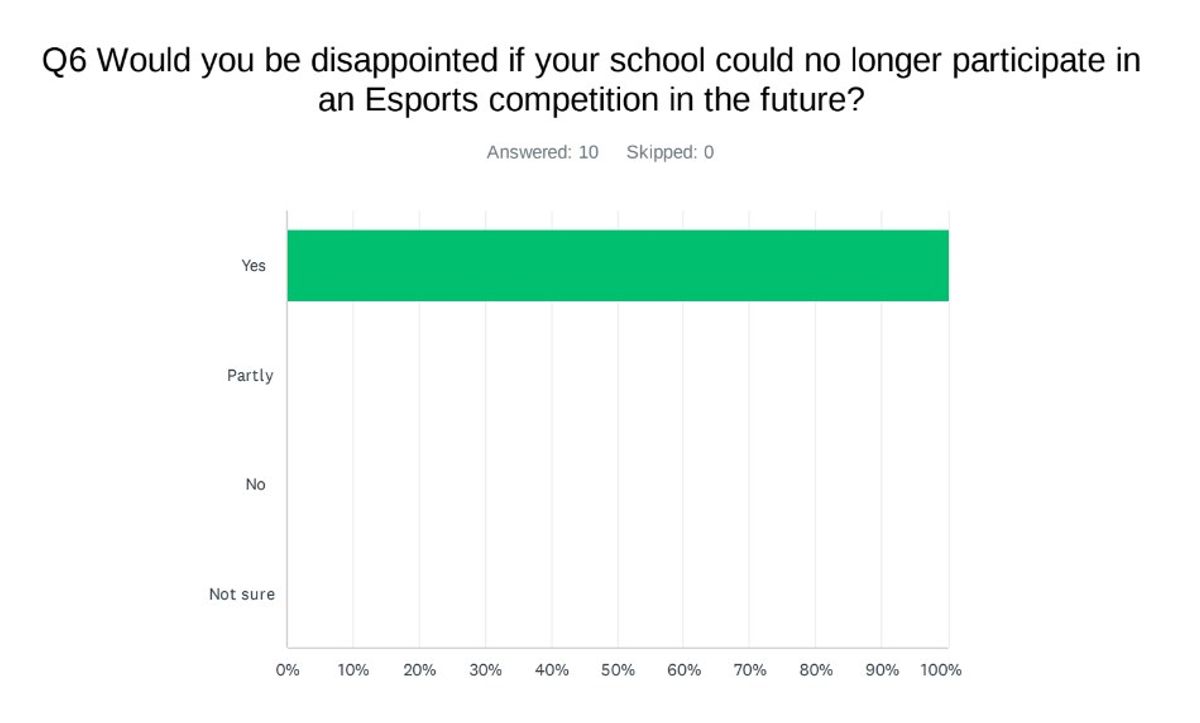
COBIS schools and their students keep coming back. To find out how your school can take part, book a call with DAIGON.
Interested in bringing DAIGON to your school?
Book a call